
Oily skin can be challenging to manage, especially when your face looks shiny only a few hours after washing it. You may think moisturiser will make your skin oilier, but skipping it is not always the best choice. The key is choosing a formula that hydrates your skin without leaving a heavy or greasy feeling.
Finding the right moisturiser for oily skin can support your skin’s moisture barrier. It can also make your daily skincare routine more comfortable. However, not every moisturiser works the same way for everyone. Your skin type, preferred texture, climate, and other skincare products can all influence your choice.
In this guide, Beauty Style Daily explains how to choose the best moisturiser for oily skin. It covers key ingredients to look for. It also explains how to apply it correctly. It highlights common mistakes to avoid.
Why Does Oily Skin Need a Moisturiser?
Oily skin produces excess sebum, the natural oil released by the sebaceous glands. Sebum helps protect the skin, but excess production can make skin look shiny and clog pores for some people.
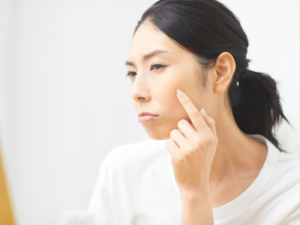
Moisturizing and controlling excess oil are different. A moisturizer keeps skin hydrated. Oil production depends on genetics, hormones, climate, and skincare habits.
Skipping moisturizer does not reliably reduce oil production. It may also leave your skin feeling tight, particularly if you use strong cleansers or acne treatments.
A suitable moisturizer can help:
- Maintain skin hydration.
- Support the skin’s natural moisture barrier.
- Reduce the uncomfortable feeling of tightness or dryness.
- Make your skin feel softer and smoother.
- Complement a balanced skincare routine.
The goal is not to eliminate all natural oil from your face. Instead, choose a moisturizer that provides enough hydration without feeling unnecessarily heavy.
What to Look for in the Best Moisturizer for Oily Skin
When comparing moisturizers, focus on the formula rather than the product’s marketing claims. A product labelled “for oily skin” can be a useful starting point, but the ingredient list and how your skin responds are also important.

Choose a Lightweight Formula
Lightweight moisturizers are often comfortable for people with oily skin. Gel, gel-cream, and light lotion formulas may absorb comfortably without leaving a thick layer on the face.
If you dislike the feeling of heavy creams, try a lightweight formula first. However, a gel is not automatically better for everyone. If your skin is oily but dehydrated or irritated, you may prefer a slightly richer lotion.
Look for Hydrating Ingredients
Some ingredients attract or retain water in the outer layers of the skin. They can help improve hydration without necessarily making a product feel oily.
- Glycerin: A humectant that helps draw water into the outer layers of the skin.
- Hyaluronic acid: Helps retain moisture and supports skin hydration.
- Panthenol: Helps condition the skin and support its moisture barrier.
- Aloe vera: Can provide a soothing, hydrating feel in suitable formulations.
The overall formula matters more than one ingredient alone. A moisturizer can contain beneficial ingredients but still feel too heavy or irritating for your individual skin.
Consider Barrier-Supporting Ingredients
Oily skin can also experience dryness, sensitivity, and irritation. This can happen when harsh cleansers, over-exfoliation, or certain acne treatments disrupt the skin barrier.
Ingredients such as ceramides and other skin-conditioning components may help support the skin barrier. If your face feels oily but also tight, flaky, or uncomfortable, choose a moisturizer with hydration and barrier support.
Consider Non-Comedogenic Products
You may come across the term “non-comedogenic” when searching for a face moisturizer for oily skin. It usually means the manufacturer makes or tests the product to help prevent clogged pores.
This can be useful if you are prone to blackheads, whiteheads, or acne. However, the label is not a guarantee that a product will never cause breakouts. Individual skin responses vary.
Avoid Formulas That Irritate Your Skin
Fragrance, essential oils, and certain active ingredients can irritate some people, particularly those with sensitive or acne-prone skin. They are not automatically unsuitable for everyone, but it is sensible to pay attention to how your skin reacts.
If you have lasting redness, burning, itching, or worse breakouts after using a product, stop using it. Consider getting advice from a professional.
Which Type of Moisturizer Is Best for Oily Skin?
No single moisturizer is best for every person with oily skin. The following comparison can help you choose a texture that suits your needs.
| Moisturizer type | What it is like | May suit |
| Gel moisturizer | Lightweight and often refreshing | People who dislike heavy textures |
| Gel-cream moisturizer | Combines a light feel with more cushioning | Oily or combination skin needing extra comfort |
| Lightweight lotion | Fluid texture with balanced hydration | Everyday use for many skin types |
| Rich cream | Thicker and more emollient | Oily skin that is also dry, irritated, or using drying treatments |
These are general guidelines, not strict rules. – A gel moisturizer can feel comfortable in hot weather.
– A lotion can feel better in air-conditioned rooms or in winter.
Is a Gel-Based Moisturizer Good for Oily Skin?
A gel-based moisturizer can be a good choice if your skin gets shiny easily. It also works well if you like a light texture. Many gel formulas spread easily and feel less heavy than rich creams.
When choosing one, check whether it provides sufficient hydration. If your skin feels tight shortly after application, you may need a different formula or a more hydrating routine.
Is a Cream Moisturizer Always Bad for Oily Skin?
No. Oily skin does not automatically mean that every cream will be unsuitable. Some people have oily skin along with dehydration, sensitivity, or dry patches.
Rather than avoiding all creams, choose one that feels comfortable, does not often cause breakouts, and keeps your skin hydrated.
How to Choose a Moisturizer for Your Skin Type
Oily and Acne-Prone Skin
If you regularly experience pimples, blackheads, or whiteheads, consider a lightweight moisturizer labelled non-comedogenic. A simple formula may be easier to tolerate, particularly if you already use acne treatments.
Avoid introducing several new products at the same time. Adding one product at a time makes it easier to identify what works for your skin.
Oily and Sensitive Skin
If your skin becomes red, itchy, or uncomfortable easily, consider a fragrance-free moisturizer with a relatively simple formula. Avoid aggressive exfoliation and excessive cleansing.
Do not treat persistent irritation simply by switching between multiple skincare products. A dermatologist can help identify the cause.
Oily but Dehydrated Skin
Dehydrated skin lacks water, whereas oily skin produces excess sebum. These conditions can occur together.
If your face feels tight but still looks shiny, try a moisturizer containing humectants such as glycerin. Use a gentle cleanser and avoid overusing exfoliating acids or other products that leave your skin uncomfortable.
Combination Skin
Combination skin usually has oilier areas, often around the forehead, nose, and chin, with normal or drier areas elsewhere.
A lightweight lotion or gel-cream may work well across the face. You can also apply a little more moisturizer to dry areas and less to areas that become shiny quickly.
Is Cetaphil Moisturizer Good for Oily Skin?
Whether a Cetaphil moisturizer is suitable depends on the specific product. The brand offers different formulas, and each formula suits a specific skin type.
Before choosing a product, check its current packaging and ingredient list. Look for details on the intended skin type, texture, scent, and acne safety, if that matters to you.
A lightweight formula may feel comfortable on oily skin, while a richer cream may feel heavier. If possible, test the product on a small area before adding it to your routine.
Do not choose a moisturizer based on brand name alone. Compare the particular formula with your skin’s needs.
Is Nivea Moisturizer Good for Oily Skin?
Nivea also offers moisturizers in different textures and formulations. Whether one is suitable for oily skin depends on the exact product rather than the brand as a whole.
If you are considering a Nivea moisturizer, check whether it is a lightweight lotion, gel, or richer cream. Review the ingredients and product directions, and consider whether the product targets the face or the body.
A product that feels comfortable on one person’s skin may feel too rich for another. If your skin is acne-prone, pay attention to whether the product appears to trigger persistent congestion or breakouts.
For a fair comparison, review the exact products you are considering. Do not assume all moisturizers from one brand work the same.
How to Apply Moisturizer to Oily Skin
Using the right product is only part of an effective skincare routine. Applying it consistently and avoiding unnecessary steps can also help.
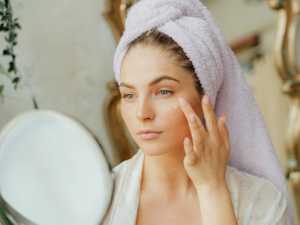
Morning Routine
- Step 1: Cleanse gently. Use a gentle facial cleanser that removes excess oil without leaving your skin tight or irritated.
- Step 2: Apply moisturizer. Apply a comfortable amount to clean skin. Follow the product directions and adjust the amount according to your skin’s needs.
- Step 3: Use sunscreen. Finish with broad-spectrum sunscreen with SPF 30 or higher. Choose a formula you can apply generously and reapply as directed, especially when spending time outdoors.
Evening Routine
- Step 1: Remove sunscreen and makeup. Use a suitable cleanser to remove the day’s products without scrubbing harshly.
- Step 2: Apply treatment products if needed. If you use acne treatments or other active ingredients, follow their directions and any advice from your dermatologist.
- Step 3: Moisturize. Apply your moisturizer to help maintain hydration overnight.
You do not need a complicated routine to care for oily skin. A gentle cleanser, suitable moisturizer, and sunscreen are useful basics for many people.
Common Moisturizer Mistakes to Avoid
Skipping Moisturizer Completely
Avoiding moisturizer because your skin is oily may leave it feeling dry or tight. Instead, experiment with a lighter formula that provides enough hydration.
Washing Your Face Too Often
Repeated washing and harsh cleansing can irritate the skin and disrupt its moisture barrier. Cleanse gently and avoid scrubbing your face to remove every trace of natural oil.
Using Moisturizer Too Many Active Ingredients
Combining several exfoliating acids, acne treatments, and other active ingredients without a clear plan can increase irritation. Introduce products gradually and follow their instructions.
Choosing a Product Only Because It Is Popular
A popular moisturizer is not necessarily the right one for your skin. Consider its texture, ingredients, intended use, and your personal response.
Expecting a Moisturizer to Cure Acne
A moisturizer can support skin hydration, but it is not a complete acne treatment. If you have persistent, painful, or scarring acne, consult a qualified dermatologist.
Frequently Asked Questions
Which moisturizer is best for oily skin?
The best moisturizer for oily skin provides enough hydration without feeling too greasy or causing breakouts. Lightweight gels, gel-creams, and lotions are useful starting points, but the right choice depends on your individual skin.
Can oily skin use moisturizer every day?
Yes. Many people with oily skin can use a suitable moisturizer daily. Apply it after cleansing and adjust the amount and texture according to your skin’s needs.
Is gel moisturizer better than cream for oily skin?
A gel moisturizer may feel lighter, but it is not automatically better for everyone. A gel-cream or lightweight lotion can comfortably hydrate oily skin that feels dehydrated or sensitive.
Does moisturizer make oily skin oilier?
Some formulas may feel greasy or leave a shiny finish. But that does not mean every moisturizer will do so. Try a lighter formula and observe how your skin responds.
Can I use moisturizer if I have pimples?
Yes. A suitable moisturizer can be part of an acne-care routine. If you often get clogged pores, try a non-comedogenic product. Follow the directions for any acne treatments you use.
Should I apply moisturizer before or after sunscreen?
In a typical morning routine, apply moisturizer first and sunscreen afterwards. Let each layer settle as the product directs, and apply sunscreen last before makeup.
How can I tell if my moisturizer is unsuitable?
Persistent burning, itching, redness, or worse breakouts after using a product may mean it is not right for you. Stop using it if you suspect a reaction and seek professional advice if symptoms persist or are severe.
Conclusion
Choosing the right oily skin moisturizer is about finding a balance between hydration and comfort. A lightweight gel, gel-cream, or lotion may be a good starting point, but your skin’s individual needs matter more than a product label.
Look for hydrating ingredients that help your skin. Choose non-comedogenic formulas if you get clogged pores. Avoid skincare habits that make your skin feel irritated or tight. Keep your routine simple, use sunscreen during the day, and give new products time to show how your skin responds.
Remember that no single moisturizer works best for everyone. By knowing your skin type and comparing formulas with care, you can build a simple skincare routine. It keeps your skin hydrated and comfortable without extra steps.
Editorial note: Beauty Style Daily shares general skincare information for educational purposes. For persistent skin irritation, severe acne, or other ongoing skin concerns, seek advice from a qualified healthcare professional.