
Frizzy hair can be difficult to manage, especially when your hair feels dry, rough or tangled after washing. Humidity, heat styling, chemical treatments and everyday friction can all contribute to frizz. If you want to improve your hair’s softness and manageability, a DIY hair mask for frizzy hair may be worth trying.
Homemade hair masks include simple ingredients that people commonly find at home. However, natural ingredients do not work the same for everyone. Also, there is limited scientific evidence for many DIY hair mask recipes. Choosing a suitable treatment and following a gentle hair-care routine are important for maintaining healthy-looking hair.
In this guide, you will learn five easy homemade hair mask recipes, how to apply them correctly and which mistakes to avoid.
What Causes Frizzy Hair?
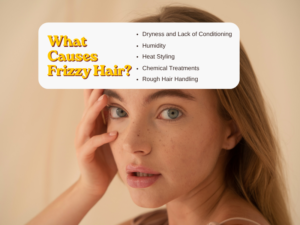
Dryness and Lack of Conditioning
When hair feels dry and rough, it may become more difficult to detangle and manage. Suitable conditioning products can help smooth the hair surface and reduce friction.
Humidity
Humidity can change the way hair interacts with moisture in the air. This is particularly noticeable in naturally curly, wavy or frizz-prone hair.
Heat Styling
Frequent use of straighteners, curling irons and high-temperature blow-dryers can damage hair over time. Damaged hair may become brittle and more susceptible to breakage.
Chemical Treatments
Bleaching, colouring and chemical straightening can weaken the hair structure, increasing dryness and roughness.
Rough Hair Handling
Rubbing wet hair hard with a towel, brushing out tangles roughly, or pulling hair into tight styles can cause breakage and frizz.
5 Easy DIY Hair Masks for Frizzy Hair
These recipes are intended as simple conditioning treatments, not proven cures for hair damage or hair loss. Use fresh ingredients, prepare small quantities and patch-test unfamiliar ingredients before applying them more widely.
Coconut Oil Hair Mask for Frizzy Hair
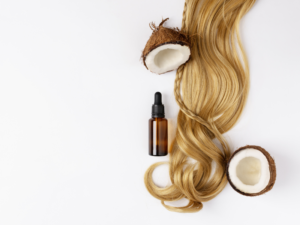
Coconut oil is commonly used to condition dry hair. Research suggests it may reduce protein loss in hair. However, it cannot guarantee faster hair growth or permanently remove frizz.
Ingredients
- 1–2 teaspoons of coconut oil
- A little more for long or thick hair, if needed
How to make and apply it
- Place the coconut oil in a clean bowl.
- If the oil is solid, warm the container gently in lukewarm water.
- Apply a thin layer to the middle lengths and ends of your hair.
- Leave it on for approximately 20–30 minutes.
- Shampoo thoroughly and use conditioner if needed.
- Best for: Dry, rough or coarse hair that tolerates coconut oil.
Tip: Start with a small quantity. Too much oil can make fine hair feel heavy or greasy.
Aloe Vera Hair Mask for Frizzy Hair
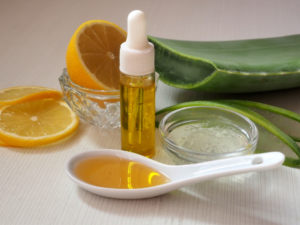
Aloe vera gel is used in many personal-care products. Its light texture may appeal to people who prefer a less oily treatment. Strong evidence that homemade aloe vera masks directly reduce frizz is limited.
Ingredients
- 1–2 tablespoons of plain aloe vera gel suitable for topical use
How to make and apply it
- Place the gel in a clean bowl.
- Apply a small amount to damp hair, focusing on the lengths.
- Avoid applying it to irritated or broken skin.
- Leave it on for around 10–15 minutes.
- Rinse thoroughly with water.
- Best for: People who prefer a lightweight gel treatment and tolerate aloe vera.
Precaution: Patch-test the gel first. Stop using it if you experience itching, redness or irritation.
Yoghurt Hair Mask for Dry and Frizzy Hair
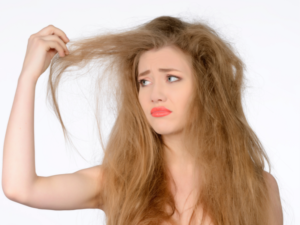
Plain yoghurt is sometimes used in homemade beauty treatments because of its creamy consistency. However, there is limited scientific evidence that yoghurt masks provide specific benefits for frizzy hair.
Ingredients
- 2 tablespoons of plain, unsweetened yoghurt
How to make and apply it
- Put the yoghurt in a clean bowl.
- Apply a thin layer to damp hair lengths.
- Leave it on for approximately 10–15 minutes.
- Rinse thoroughly with lukewarm water.
- Shampoo if necessary to remove residue.
- Best for: People interested in trying a simple, short-contact DIY treatment.
Tip: Use fresh yoghurt and prepare only the amount needed. Avoid this treatment if dairy ingredients irritate your skin.
Honey and Conditioner Hair Mask

Honey has humectant properties, meaning it can attract and hold water under suitable conditions. Mixing a small amount with your usual conditioner can make the mixture easier to distribute through your hair.
Ingredients
- 1 teaspoon of honey
- 2 tablespoons of your usual hair conditioner
How to make and apply it
- Mix the honey and conditioner in a clean bowl.
- Apply the mixture to damp hair lengths.
- Avoid the scalp if you are prone to irritation or product buildup.
- Leave it on for 5–10 minutes.
- Rinse thoroughly.
- Best for: People who tolerate both ingredients and want to experiment with a conditioning treatment.
Tip: Keep the mixture simple and do not store leftovers. Evidence for this specific DIY recipe as a frizz treatment is limited.
Banana Hair Mask for Frizzy Hair
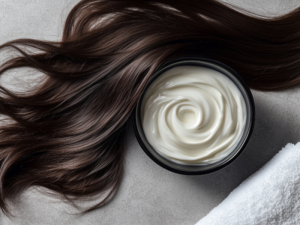
Banana is a popular ingredient in homemade hair masks, but evidence supporting its effectiveness for frizz is limited. Its thick texture can also make it difficult to rinse out completely.
Ingredients
- Half a ripe banana
- 1–2 tablespoons of water, if needed for blending
How to make and apply it
- Blend the banana thoroughly until completely smooth.
- Add a little water if needed to create a spreadable mixture.
- Apply a small amount to damp hair lengths.
- Leave it on for around 10 minutes.
- Rinse carefully and shampoo to remove any residue.
Best for: People who want to try a homemade conditioning treatment and do not mind the extra rinsing.
Tip: Do not use mashed banana with lumps because pieces can become trapped in the hair.
Which DIY Hair Mask Is Best for Dry and Frizzy Hair?
The best choice depends on your hair texture, scalp condition and how your hair responds to different ingredients.
| Hair mask | Main purpose | Consideration |
| Coconut oil | Conditioning dry hair | Can weigh down fine hair |
| Aloe vera gel | Lightweight application | Evidence for frizz reduction is limited |
| Plain yoghurt | Simple DIY treatment | Limited evidence for specific hair benefits |
| Honey and conditioner | Conditioning and manageability | May be sticky if too much honey is used |
| Banana | Homemade conditioning experiment | Can be difficult to rinse out |
For predictable results, a commercially formulated hair mask or conditioner is often a practical starting point. They design these products to spread through hair and rinse out according to their instructions.
How to Apply a Hair Mask Correctly
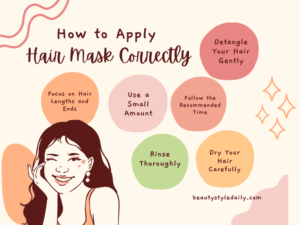
Step 1: Detangle Your Hair Gently
Remove major tangles before applying the mask. Avoid pulling aggressively, particularly when your hair is wet.
Step 2: Focus on Hair Lengths and Ends
Most conditioning masks are intended for the middle lengths and ends. Apply a treatment to the scalp only when appropriate for the product and your scalp condition.
Step 3: Use a Small Amount
Start with enough product to coat the hair lightly. Applying more does not necessarily improve the result.
Step 4: Follow the Recommended Time
Follow the label for store-bought products. For homemade treatments, keep application time short and rinse thoroughly. Leaving a mask on overnight is unnecessary.
Step 5: Rinse Thoroughly
Remove all residue with lukewarm water. Shampoo if needed, particularly after using an oily or sticky treatment.
Step 6: Dry Your Hair Carefully
Press excess water out using a soft towel or cotton T-shirt rather than rubbing vigorously. Detangle gently and limit excessive heat styling.
How Often Should You Use a DIY Hair Mask?
Start with once a week and adjust according to your hair type and the results you notice.
- Dry or coarse hair: A suitable conditioning mask may help improve manageability.
- Fine hair: Use lightweight products and smaller quantities to avoid flat or greasy-looking hair.
- Curly or wavy hair: Focus on conditioning and gentle detangling.
- Chemically treated hair: Consider a formulated mask designed for colour-treated or damaged hair.
- Oily scalp with dry ends: Apply conditioning treatments mainly to the lengths and ends.
Stop using a treatment if it causes itching, burning, redness or other unwanted reactions.
Common Mistakes to Avoid When Using DIY Hair Masks
Mixing Too Many Ingredients
Combining several kitchen ingredients does not guarantee better results. It can also make a mask difficult to rinse out or increase the chance of irritation.
Applying Masks to an Irritated Scalp
Avoid homemade treatments on broken or inflamed skin. Stop use if discomfort develops.
Leaving Masks on for Too Long
Longer application does not automatically make a treatment more effective. Follow product instructions and rinse homemade mixtures thoroughly.
Using Too Much Oil
Excess oil can leave hair greasy and may be difficult to remove. Start with a small amount and adjust if necessary.
Expecting Permanent Results
A hair mask may temporarily improve softness and manageability, but it cannot permanently remove frizz or repair every type of damage.
Additional Tips to Manage Frizzy Hair
- Use a gentle shampoo suited to your scalp.
- Apply conditioner after shampooing.
- Avoid washing with very hot water.
- Reduce frequent heat styling.
- Use a suitable heat protectant when using hot tools.
- Detangle gently, starting at the ends.
- Avoid rough towel drying.
- Choose products according to your hair texture and needs.
If you experience persistent scalp irritation, sudden hair breakage or unusual hair loss, consult a dermatologist.
Frequently Asked Questions
Which DIY hair mask is best for frizzy hair?
The best option depends on your hair type. Coconut oil may help condition some dry hair types, while lightweight products may work better for fine hair. A formulated conditioner or hair mask is another practical choice.
How can I make a hair mask for frizzy hair at home?
You can try a simple coconut oil treatment by applying a small amount to the middle lengths and ends before shampooing. Patch-test unfamiliar ingredients and stop using them if irritation occurs.
Is a homemade hair mask better than a store-bought mask?
Not necessarily. Store-bought masks are formulated with specific ingredient combinations and usage instructions. Homemade treatments may be inexpensive, but their effects vary and some can be difficult to rinse out.
Can I use a DIY hair mask every day?
Daily use is usually unnecessary. Start with once a week and adjust based on your hair’s response and the type of treatment.
Is coconut oil good for dry and frizzy hair?
Coconut oil may help condition hair and reduce protein loss. However, it does not suit everyone and may weigh down fine hair.
Can a hair mask remove frizz permanently?
No. Hair masks can temporarily improve conditioning and manageability, but humidity, hair texture and damage can cause frizz to return.
Should I apply a hair mask to my scalp?
Most conditioning treatments work best on the hair lengths and ends. Follow product instructions and avoid applying homemade mixtures to irritated skin.
How long should I leave a homemade hair mask on?
A short application of around 10–30 minutes is a practical starting point for many simple treatments, depending on the ingredients. Rinse immediately if irritation occurs, and do not leave a mask on overnight.
Final Thoughts
A DIY hair mask for frizzy hair can be an affordable way to experiment with conditioning treatments at home. Coconut oil may help condition some dry hair types, while other homemade recipes offer alternatives for people who prefer different textures.
Keep your routine simple, use ingredients safely and avoid expecting overnight results. Consistent conditioning, gentle detangling and reduced heat damage are important steps towards softer, more manageable hair.