
Winter can leave your skin feeling dry, rough, tight, and sometimes flaky. Cold air, low humidity, indoor heating, and hot showers can strip moisture. If your skin feels uncomfortable in colder months, a few changes to your daily skincare routine can keep it soft and hydrated.
The good news is that dry skin care in winter does not ** have to be** complicated. With gentle cleansing, the right moisturiser, and a few simple habits, you can protect your skin’s natural barrier.
In this guide, Beauty Style Daily explains how to care for dry skin in winter. It also covers helpful skincare ingredients, common mistakes to avoid, and when to seek professional advice.
Why Does Skin Become Dry in Winter?
In winter, the air often has less moisture, and indoor heating can make the air even drier. These conditions may increase water loss from the skin.
Several everyday habits can also contribute to winter dryness:
- Taking long, hot showers.
- Using harsh soaps or cleansers.
- Washing the face too frequently.
- Skipping moisturiser after bathing.
- Using strong exfoliating products on dry skin.
- Spending time outdoors in cold, windy weather.
Understanding these factors can help you create a more effective skincare routine for the winter season.
How to Identify Dry Skin
Dry skin can look and feel different from person to person. Common signs include:
- A tight feeling after washing your face.
- Rough or flaky patches.
- Dull-looking skin.
- Mild itching or discomfort.
- Cracked skin around the hands, fingers, or lips.
Dry skin can affect the face, hands, legs, elbows, and other body areas. If you have severe itching, lasting redness, painful cracks, or bleeding, see a dermatologist. Do not rely only on cosmetic skincare products.
Winter Skincare for Dry Skin: Morning Routine
A simple morning routine can help prepare your skin for the day without exposing it to unnecessary irritation.
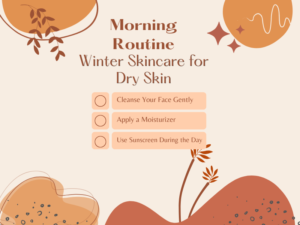
Cleanse Your Face Gently
Start with a mild cleanser that removes dirt without leaving your skin feeling tight. If your face is extremely dry, rinsing with water in the morning may be sufficient for some people.
Use lukewarm water instead of hot water, and avoid rubbing your face with a rough towel. Pat your skin dry gently.
Apply a Moisturizer
Moisturizing is an important step in winter skincare. Apply moisturizer while your skin is slightly damp to help reduce moisture loss.
Creams may be more comfortable than lightweight lotions for parched skin. Choose a product that suits your skin type and does not cause irritation.
Look for ingredients such as:
- Glycerin: Helps attract water to the skin.
- Ceramides: Help support the skin’s protective barrier.
- Hyaluronic acid: Helps attract and retain moisture.
- Petrolatum: Helps reduce water loss from the skin.
- Dimethicone: Helps form a protective layer on the skin.
You do not need a product containing every ingredient. A simple moisturizer that works well for your skin is often a practical choice.
Use Sunscreen During the Day
Sunscreen remains important during winter. Apply a broad-spectrum sunscreen to exposed skin according to the product instructions.
If you spend extended periods outdoors, follow the label’s reapplication guidance. Moisturizer and sunscreen serve different purposes, so one should not automatically replace the other.
Evening Skincare Routine for Dry Skin
Your evening routine can prioritize removing the day’s buildup and helping your skin stay calm and comfortable overnight.

Step 1: Cleanse Gently
Wash away makeup, sunscreen, and everyday residue with a mild cleanser. Steer clear of harsh soaps or rough cleansing methods that remove your skin’s natural moisture.
Step 2: Apply a Moisturizer
After cleansing, gently pat your skin dry, then apply moisturizer while it remains slightly damp. At night, you may choose a richer cream if your skin feels especially dry.
Step 3: Pay Special Attention to Any Dry Patches
Hands, elbows, heels, and other dry, rough patches may require a richer cream or ointment. Use an appropriate product often, particularly after washing or bathing.
Avoid exfoliating products when skin is cracked, burning, irritated, or inflamed.
How to Select the Perfect Winter Moisturizer for Dry Skin
Choosing a moisturizer depends on your skin’s needs, product texture, sensitivity, and budget.
What to Consider by Skin Concern
Extremely dry skin: Consider a richer cream or ointment.
- Dry, sensitive skin: Consider a gentle, fragrance-free formula.
- Dry facial skin: Choose a face moisturiser with a comfortable cream texture.
- Dry hands and body: Use a body cream designed for frequent application.
- Dry skin that is also acne-prone: Look for a facial formula your skin can tolerate. Choose one labelled non-comedogenic, if possible.
Do not choose a product based only on popularity or advertising claims. Read the ingredient list, follow the product instructions, and discontinue use if it causes persistent irritation.
If you plan to add specific product picks on Beauty Style Daily, compare ingredients, pack sizes, prices, and skin type fit. Check current product information before publishing.
Simple Home Care Tips for Dry Skin in Winter
Along with using suitable skincare products, everyday habits can help reduce winter dryness.

Take Short, Lukewarm Showers
Long, hot showers may worsen dryness. Keep bathing time short and use lukewarm water. Apply body moisturiser soon after bathing.
Moisturise Your Hands Regularly
Frequent handwashing and cleaning products can leave hands dry. Apply hand cream after washing and before bedtime. Wear suitable gloves when handling detergents or cleaning products.
Protect Your Lips
Cold weather can make lips feel dry and uncomfortable. Use a lip balm that suits your skin and avoid repeatedly licking your lips, which may increase dryness.
Consider Indoor Humidity
Indoor heating may make the air dry. If you use a humidifier, clean and maintain it as the manufacturer directs to prevent buildup and contamination.
Avoid Irritating Home Remedies
Natural ingredients are not always gentle on the skin. Avoid applying lemon juice, baking soda, toothpaste, or abrasive sugar and salt scrubs to dry or irritated areas.
A mild moisturizer and consistent skincare habits are generally more practical than experimenting with potentially irritating mixtures.
Common Winter Skincare Mistakes to Avoid
Even a good skincare routine can become less effective if your daily habits irritate your skin. Avoid these common mistakes:

- Using boiling water: Choose lukewarm water instead.
- Over-exfoliating: Scrubs and exfoliating acids can worsen irritation when skin is already dry.
- Skipping moisturiser: Apply moisturiser after washing or bathing.
- Changing too many products at once: Introduce new products gradually so you can identify possible reactions.
- Assuming oily skin cannot become dehydrated: Skin can feel oily and still lack sufficient moisture.
- Ignoring persistent symptoms: Severe dryness, painful cracks, or ongoing itching may require professional assessment.
When Should You Consult a Dermatologist?
Basic skincare can ease typical winter dryness, but certain signs require professional care. Think about visiting a dermatologist if your skin remains itchy or irritated.
- See one if your skin is painful, cracked, or bleeding.
- Go if you develop a widespread rash.
- Get help if your skin does not improve with gentle skincare.
- Also go if products make your skin more irritated over time.
A dermatologist can check if your symptoms are due to eczema, contact dermatitis, or another skin condition. They can also recommend the right treatment.
Frequently Asked Questions About Dry Skin Care in Winter
1. How can I take care of dry skin in winter?
Use a gentle cleanser, apply moisturizer after washing, take short lukewarm showers, and protect exposed skin from cold weather. Avoid harsh scrubs and products that cause irritation.
2. Which moisturizer is best for dry skin in winter?
A moisturizer that matches your skin type and keeps it feeling comfortable is often a smart option. Creams made with glycerin or ceramides can help maintain hydration, while petrolatum may limit water loss. The ideal formula differs for each person.
3. How many times should I moisturize dry skin in winter?
Apply a moisturizer after you bathe or wash, and anytime your skin starts to feel dry. You might need to moisturize more often if you frequently wash your hands or stay in a dry environment.
4. What is a good nighttime routine for dry skin?
Cleanse with a light touch. Smooth on moisturiser while your skin is still a little damp. If necessary, use a richer cream on extra-dry spots. Skip harsh exfoliation when irritation flares.
5. Can I use home remedies for dry skin in winter?
Simple habits such as using lukewarm water and moisturising regularly can help. Avoid potentially irritating DIY treatments such as lemon juice, baking soda, and abrasive scrubs.
6. Why does my skin become flaky in winter?
Cold weather, low humidity, hot showers, and irritating skincare products can contribute to dryness and flaking. If flaking persists or occurs with significant redness or itching, seek professional advice.
7. Should I use sunscreen in winter?
Yes. Use broad-spectrum sunscreen on exposed skin during the day, following the product directions. UV exposure can still occur during colder months.
8. Is a face wash necessary for dry skin in winter?
A gentle cleanser can remove dirt, sunscreen, and makeup. However, people with **extremely** dry skin may find that a water rinse is sufficient in the morning. Choose a cleansing routine that leaves your skin comfortable rather than tight.
9. Can drinking more water cure dry skin?
Drinking enough water supports general health, but drinking extra water alone may not resolve persistent dry skin. Gentle skincare, moisturising, and addressing underlying causes are also important.
10. When should I see a dermatologist for dry skin?
Seek advice if dryness is severe, painful, cracked, bleeding, persistently itchy, or not improving with gentle skincare.
Conclusion
Dry skin care in winter starts with a few simple habits. Use gentle cleansing. Moisturize often. Take shorter, lukewarm showers.
Protect your skin from cold weather. You can get started without a complicated routine or a large collection of skincare products.
Choose products that suit your skin, avoid irritating treatments, and pay attention to how your skin responds.
At Beauty Style Daily, our goal is to make skincare easy to understand. This helps you make informed choices for your daily routine.