Dry, frizzy hair can be difficult to manage, especially when it feels rough, tangled or dull after washing. A hair spa at home is a simple way to add conditioning to your regular hair-care routine without a salon visit.
Learning how to do a hair spa at home involves more than applying a hair mask. Choosing suitable products, gently cleansing your scalp, and conditioning your hair properly can improve softness and manageability.
The right routine depends on your hair type and its needs. You may need a lightweight conditioner for fine hair or a richer mask for dry lengths. Results also vary, and a hair spa cannot permanently repair damaged hair or guarantee faster hair growth.
In this guide, you will learn the benefits of a hair spa. You will also learn the steps to follow at home. It explains how to choose the right products. It also covers common mistakes to avoid.
What Is a Hair Spa?
A hair spa is a targeted hair-care treatment offered by salons. It usually combines thorough cleansing and intense conditioning with extra elements. These can include a relaxing scalp massage or an enriching hair mask.
The exact process may vary depending on the salon, the formulas applied, and your personal hair goals. If you prefer to do it yourself, follow a basic routine. Use a suitable shampoo, conditioner, or treatment mask.
A hair spa can enhance the texture, smoothness, and manageability of dry hair. Still, it won’t permanently fix split ends or undo every kind of hair damage. Outcomes rely on the products used, your hair’s state, and how you maintain it between sessions.
Hair Spa Benefits: Is Hair Spa Good for Hair?
A hair spa can be a helpful addition to your routine when your main concerns are dryness, roughness or tangled strands. Here are some potential benefits.
Helps Condition Dry Hair
Hair that feels dry may become rough and difficult to manage. A suitable conditioner or hair mask can coat the hair surface and improve softness.
This can make your hair feel smoother after washing, particularly when you choose the treatment based on your hair texture.
May Improve Hair Manageability
Conditioning treatments can help reduce friction between strands, making detangling easier. This may be especially useful for long, curly, wavy or frizz-prone hair.
Use a wide-tooth comb and work gently through tangles rather than pulling or brushing aggressively.
Helps Reduce the Appearance of Frizz
Frizz can become more noticeable when hair is dry, damaged or exposed to humid conditions. A suitable conditioner or hair mask may help smooth the hair surface temporarily.
However, a hair spa cannot permanently eliminate frizz. Hair texture, humidity and ongoing damage can affect the results.
Supports a Consistent Hair-Care Routine
Taking time to cleanse and condition your hair can help you pay attention to its changing needs. You can adjust your products depending on whether your hair feels dry, oily, fine or coarse.
The most useful routine is one that keeps your scalp comfortable and your hair manageable without excessive product buildup.
Provides a Relaxing Self-Care Experience
A hair-care session can be a relaxing part of your personal-care routine. Gentle massage may feel soothing, but it should not involve scratching, pulling or applying excessive pressure to the scalp.
There is not enough evidence to claim that a regular hair spa guarantees faster hair growth or prevents hair loss.
How to Do Hair Spa at Home: Step-by-Step Guide
You do not need a complicated routine to condition your hair at home. Follow these steps and adjust them according to your hair type and the instructions on your products.
Step 1: Choose Products for Your Hair Type
Before starting, select a shampoo and conditioner or hair mask suitable for your hair and scalp.
For example:
- Dry or coarse hair: Consider a richer conditioner or a moisturising hair mask.
- Fine hair: Choose lightweight products that are less likely to leave your hair flat.
- Curly or wavy hair: Look for conditioning products that support detangling and manageability.
- Oily scalp: Use a shampoo suited to your scalp and focus heavier conditioning products on the lengths and ends.
- Chemically treated hair: Consider products formulated for coloured, bleached or chemically treated hair.
You do not need to purchase a complete hair spa kit. A suitable shampoo and conditioner may be enough for a simple home treatment.
Step 2: Detangle Your Hair Gently
Before washing, remove major tangles with your fingers or a suitable wide-tooth comb.
Start at the ends and gradually work upward. Avoid pulling through knots, especially if your hair is fragile or prone to breakage.
If your hair tangles easily when dry, use the detangling method that works best for your texture.
Step 3: Wash Your Hair with Shampoo
Wet your hair thoroughly with lukewarm water. Apply shampoo to the scalp and massage gently using your fingertips.
Avoid scratching the scalp with your nails. Let the shampoo rinse through the lengths rather than rubbing the hair aggressively.
If you have an oily scalp or heavy product buildup, you may need a second wash, depending on your shampoo and hair-care routine.
Rinse thoroughly before moving to the conditioning step.
Step 4: Apply a Hair Mask or Deep Conditioner
Remove excess water gently with a soft towel. Apply your chosen hair mask or conditioner according to the product instructions.
For many conditioning treatments, concentrating on the middle lengths and ends is a practical approach. Avoid the scalp unless the product is specifically intended for scalp use.
Distribute the product evenly using your fingers or a wide-tooth comb if appropriate.
Step 5: Leave the Treatment On as Directed
Check the product label for the recommended application time. Different masks have different instructions, so do not assume that leaving a product on longer will improve the result.
You can use this time to relax while keeping the product away from your eyes.
Avoid leaving a treatment on overnight unless the manufacturer specifically states that it is designed for that use.
Step 6: Rinse Your Hair Thoroughly
Rinse with lukewarm water until the product is removed according to its instructions.
Leftover product can make some hair types feel heavy, coated or greasy. Fine hair may be particularly sensitive to excess conditioning products.
Avoid very hot water, which may leave your hair and scalp feeling uncomfortable or dry.
Step 7: Dry Your Hair Carefully
Gently press excess water out with a soft towel or cotton T-shirt. Do not rub your hair vigorously.
If your hair is prone to tangling, detangle it gently using an appropriate comb. Allow it to air-dry when practical or use a blow-dryer on a moderate setting.
Apply a suitable heat protectant before using hot styling tools.
Step 8: Finish with a Suitable Leave-In Product if Needed
Depending on your hair texture, you may use a lightweight leave-in conditioner or another suitable styling product.
Start with a small amount and follow the product instructions. Too much product can weigh down fine hair or make the lengths feel greasy.
A simple routine is often more useful than layering several products at once.
How to Do a Hair Spa at Home with Hair Spa Cream
Some people prefer using a ready-made hair spa cream rather than a regular hair mask. These products are designed for conditioning, but their ingredients and instructions vary.
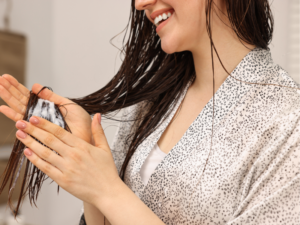
If you choose a hair spa cream, follow these steps:
- Wash your hair with a suitable shampoo.
- Remove excess water gently.
- Apply the cream according to the label, usually focusing on the hair lengths.
- Distribute it evenly without pulling or rubbing the strands aggressively.
- Leave it on for the stated duration.
- Rinse thoroughly as directed.
- Dry and detangle your hair gently.
Check whether the product requires rinsing and whether it is intended for home use. Do not assume that all hair spa creams are used in the same way.
If you are considering a specific brand, compare its directions, ingredient list and suitability for your hair type before purchasing.
Can You Do a Hair Spa at Home Without Hair Spa Cream?
Yes. You can follow a basic conditioning routine without a product labelled specifically as hair spa cream.
A regular conditioner or a suitable hair mask can provide conditioning benefits. The best choice depends on your hair’s needs rather than the product name.
You can keep the routine simple:
- Cleanse your scalp with shampoo.
- Apply a suitable conditioner or hair mask.
- Leave it on for the recommended time.
- Rinse thoroughly.
- Dry and detangle your hair gently.
Homemade ingredients such as coconut oil are also used in some hair-care routines, but they do not work equally well for everyone. Oils may weigh down fine hair, and kitchen ingredients can be messy or difficult to rinse out.
For predictable results, a formulated conditioner or hair mask is often a practical starting point.
How Often Should You Do a Hair Spa at Home?
There is no single schedule that works for everyone. The frequency depends on your hair texture, scalp condition, styling habits and the product you use.
Here are general guidelines:
| Hair type or concern | What to consider |
| Dry or coarse hair | Use a suitable conditioning mask according to its instructions and your hair’s needs. |
| Fine hair | Choose lightweight products and avoid excessive conditioning that leaves hair flat. |
| Oily scalp | Cleanse the scalp as needed and keep heavier products mainly on the lengths and ends. |
| Curly or wavy hair | Focus on conditioning and gentle detangling to improve manageability. |
| Chemically treated hair | Consider products designed for coloured or damaged hair. |
| Normal hair | A regular conditioner may be sufficient without frequent intensive treatments. |
You may start with a conditioning mask once a week if your hair needs extra conditioning, then adjust based on the results and product instructions. More frequent treatments are not automatically better.
If your hair becomes heavy, greasy or difficult to rinse, reduce the amount or frequency of the product.
Hair Spa at Home vs Salon Hair Spa
Both options can provide a conditioning experience, but they differ in cost, convenience and the type of service provided.

| Feature | Hair spa at home | Salon hair spa |
| Convenience | Can be done at home when suitable | Requires a salon appointment |
| Cost | Often lower if you already own the products | Usually includes service and product costs |
| Product selection | You choose your own products | Products depend on the salon |
| Personalisation | You adapt the routine yourself | A professional may tailor the service |
| Results | Depends on products and technique | Depends on the treatment and your hair condition |
A salon treatment is not automatically more effective than home conditioning. If your goal is to improve dryness and manageability, a suitable home routine may be enough.
If you have persistent scalp problems, unusual hair breakage or significant hair loss, seek professional advice rather than relying on cosmetic treatments alone.
Common Hair Spa Mistakes to Avoid
Applying Too Much Product
Using more cream or mask than recommended can leave your hair heavy or greasy. Follow the product directions and begin with the suggested amount.
Scrubbing the Scalp Too Hard
Vigorous rubbing and scratching can irritate the scalp. Use gentle fingertip movements when shampooing or massaging.
Leaving a Mask On for Too Long
Longer application does not guarantee better conditioning. Follow the instructions and rinse the product properly.
Using Very Hot Water
Very hot water may leave your scalp uncomfortable and can contribute to a dry feeling. Lukewarm water is generally a more comfortable option.
Expecting Hair Growth from a Hair Spa
A hair spa is primarily a cosmetic conditioning treatment. It cannot guarantee faster growth, reverse hereditary hair loss or permanently repair damaged hair.
Ignoring Scalp Buildup
Applying heavy products close to an oily scalp may make your roots feel greasy. Adjust where you apply conditioning treatments according to the product instructions and your scalp needs.
Skipping Heat Protection
If you use a blow-dryer, straightener or curling iron after your treatment, limit excessive heat and use a suitable heat protectant.
Additional Tips for Healthy-Looking Hair
A hair spa works best as part of a consistent routine. These simple habits can help you manage your hair between treatments:
- Use shampoo suited to your scalp condition.
- Apply conditioner after washing.
- Avoid aggressive brushing and towel rubbing.
- Limit frequent high-heat styling.
- Use a heat protectant when styling with hot tools.
- Detangle gently, especially when hair is wet.
- Avoid hairstyles that pull tightly on the roots.
- Choose products based on your hair texture and needs.
- Trim split ends when necessary because conditioning cannot permanently repair them.
- Seek professional advice if you notice persistent scalp irritation or unusual hair loss.
Healthy-looking hair depends on several factors, including hair-care habits, genetics, styling practices and overall health. No single treatment can address every concern.
Frequently Asked Questions
How do I do a hair spa at home?
Wash your hair with a suitable shampoo, apply a conditioner or hair mask, leave it on as directed, rinse thoroughly and dry your hair gently. Adjust the products according to your hair type.
Is hair spa good for hair?
A hair spa can help condition dry hair and improve softness and manageability. However, it cannot permanently repair all damage or guarantee faster hair growth.
How often should I do a hair spa at home?
The frequency depends on your hair and the products used. If your hair needs extra conditioning, you can start with a mask once a week and adjust according to the product instructions and your hair’s response.
Can I do a hair spa without hair spa cream?
Yes. A suitable conditioner or hair mask can be used for a simple conditioning routine. You do not necessarily need a product labelled as hair spa cream.
Is a hair spa suitable for oily hair?
Yes, but product choice and application matter. Use a shampoo suited to your scalp and choose lightweight conditioning products. Apply heavier masks mainly to the lengths and ends when appropriate.
Does a hair spa help with frizzy hair?
Conditioning products may temporarily smooth the hair surface and improve manageability. However, they cannot permanently eliminate frizz, which can be affected by humidity, hair texture and damage.
Can a hair spa stop hair fall?
A hair spa is not a proven treatment for hair loss. If you notice ongoing or sudden hair shedding, consult a dermatologist to identify the cause.
Should I oil my hair before a hair spa?
Pre-wash oiling is optional. Some people find it helpful for conditioning, while others find it too heavy. Follow your treatment’s instructions and avoid excessive oil if it makes your hair difficult to wash.
Can I use a hair spa cream at home?
Yes, if the product is intended for home use. Read its instructions carefully, apply it as directed and rinse it properly. Different creams may have different application methods.
Is a hair spa better than regular conditioning?
Not necessarily. A hair spa may include more steps, but a suitable conditioner used consistently can be enough for everyday hair care. Choose the approach that meets your needs without adding unnecessary products.
Final Thoughts
Learning how to do a hair spa at home can help you create a simple conditioning routine without the expense of a salon visit. The most important steps are choosing suitable products, applying them correctly, rinsing thoroughly and handling your hair gently.
A hair spa may improve softness and manageability, especially when dryness is your main concern. However, it should not be treated as a guaranteed solution for hair growth, hair loss or permanent damage repair.
Start with a routine that suits your hair type and adjust it according to how your hair responds. Consistent cleansing, conditioning and gentle styling are practical foundations for healthy-looking hair.