Badam oil, also known as almond oil, is a familiar ingredient in many Indian beauty routines. Some people use it to soften dry skin, massage their face or add extra moisture to their skincare routine. Its simple application and availability make it an option worth understanding before adding it to your daily care.
But is badam oil good for the face, and can it help with dryness, dark spots, or fine lines? The answer depends on your skin type, the product you choose, and how your skin responds.
Sweet almond oil can help soften the skin and reduce dryness. However, scientific evidence for several popular claims about almond oil is limited. Don’t treat it as a guaranteed solution for pigmentation, acne, or ageing.
In this guide, you will learn about the possible benefits of badam oil for the face, how to use it safely, who should avoid it, and what to consider before making it part of your skincare routine.
Is Badam Oil Good for Face?
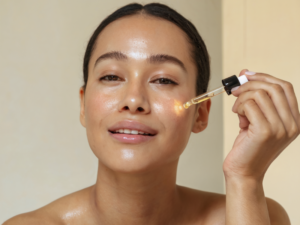
Yes, sweet almond oil may be useful for people with dry skin who want additional softness and moisture. It works mainly as an emollient, which means it helps soften the skin and support moisture retention.
However, it may not suit everyone. People with oily or acne-prone skin may find facial oils too heavy, while anyone with an almond allergy should avoid using almond oil unless a healthcare professional confirms it is safe.
The type of almond oil also matters. Choose a product specifically intended for cosmetic or facial use rather than assuming every almond oil is suitable for the face.
Benefits of Badam Oil for Face

Helps Soften Dry Skin
One of the main reasons people use badam oil is to make dry skin feel softer. Its fatty acids help condition the skin surface and may reduce roughness.
If your skin feels tight after cleansing or becomes dry during winter, a small amount of suitable almond oil may provide additional comfort. Results can vary depending on your skin condition and the rest of your skincare routine.
Supports Moisture Retention
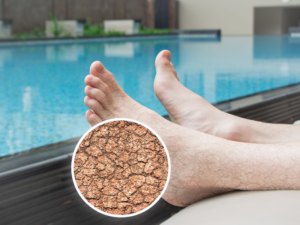
Almond oil can help reduce moisture loss by forming a softening layer over the skin. This can be useful when your skin feels dry or rough.
It does not replace water-based hydration completely. For a more balanced routine, you can apply a regular moisturiser and assess whether an additional facial oil is necessary.
Contains Fatty Acids and Vitamin E
Almond oil contains fatty acids, including oleic and linoleic acids, along with vitamin E and other naturally occurring compounds.

These components contribute to its cosmetic properties. However, the presence of nutrients in an oil does not automatically mean that applying it to the face will treat a particular skin problem.
May Improve the Feel of Rough Skin
Dry skin can feel uneven, tight or uncomfortable. Because almond oil helps soften the skin surface, it may make rough areas feel smoother.

This is a cosmetic benefit rather than a permanent change to the skin. If roughness continues or comes with persistent redness, itching or scaling, consider consulting a dermatologist.
Can Be Used as an Additional Skincare Step
Some people prefer using a facial oil as the final step of their evening routine. When suitable for their skin, almond oil can provide an extra layer of conditioning.
However, adding more products does not necessarily improve your skin. A gentle cleanser, a suitable moisturiser and daily sunscreen remain important parts of a basic skincare routine.
Can Badam Oil Remove Dark Spots or Pigmentation?
Badam oil is often mentioned in home remedies for dark spots, uneven skin tone and pigmentation. However, there is not enough reliable evidence to conclude that applying almond oil directly removes these concerns.
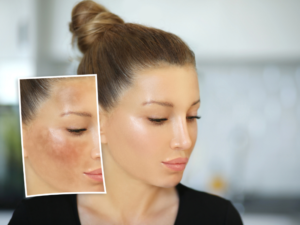
It may soften dry skin, making the skin surface appear more comfortable and smooth. This is different from reducing excess pigment.
If your main concern is dark spots, consider skincare ingredients with better-established uses for pigmentation, such as niacinamide or azelaic acid. Choose products according to your skin’s needs and introduce them carefully.
Daily sun protection is also important because sunlight can make many types of pigmentation more noticeable. Use a broad-spectrum sunscreen with SPF 30 or higher and reapply as directed.
Is Badam Oil Good for Oily and Acne-Prone Skin?
Not always. People with oily skin may find almond oil too rich, especially when applied in large amounts or combined with several other skincare products.

Oily skin can still need moisturising, but a lightweight, non-comedogenic moisturiser may be a more practical choice. The term non-comedogenic indicates that a product is formulated to be less likely to clog pores.
If you have acne-prone skin, pay attention to how your skin responds. Stop using almond oil if you notice more clogged pores, pimples, irritation or discomfort.
Do not use facial oil as a replacement for an acne treatment recommended by a dermatologist.
How to Use Badam Oil on Face
If you have dry skin and want to try sweet almond oil, follow these simple steps.
Step 1: Choose the Right Product
Select sweet almond oil intended for cosmetic use. Check the ingredient list and avoid products containing ingredients that you already know irritate your skin.
If you have an almond or tree-nut allergy, do not experiment with almond oil on your face.
Step 2: Test Before Applying It Widely
Before adding a new product to your routine, test it on a small area of skin. The American Academy of Dermatology recommends testing skincare products on a small area twice daily for seven to ten days.
Stop using the product if you develop redness, itching, swelling or another unwanted reaction.
Step 3: Cleanse Your Face Gently
Wash your face with a gentle cleanser and lukewarm water. Avoid harsh scrubbing, which can leave the skin feeling irritated or dry.
Pat your face gently with a clean towel instead of rubbing it.
Step 4: Apply a Small Amount
If the product passes your skin test, start with a very small amount. Spread it gently over a limited area of dry skin and avoid the eyes.
You do not need to apply a thick layer. Using more oil will not necessarily provide better results.
Step 5: Observe Your Skin
Pay attention to how your skin feels over the following days. If it becomes uncomfortable, irritated or more prone to breakouts, discontinue use.
If your skin already feels comfortable with a regular moisturiser, you may not need an additional facial oil.
When Is the Best Time to Apply Badam Oil?
Some people prefer using almond oil in the evening because they can include it in their nighttime skincare routine without applying makeup immediately afterwards.
However, there is no universally best time to use it. The right choice depends on your skin type, personal preference and the product’s instructions.
If you use almond oil at night, cleanse your face first and apply only a small amount if your skin tolerates it. In the morning, continue using sunscreen as the final step of your skincare routine.
Remember that almond oil does not provide reliable sun protection and cannot replace sunscreen.
Who Should Avoid Badam Oil on the Face?
Although almond oil is used in many cosmetic products, it is not suitable for everyone.
Consider avoiding it in the following situations:
- Almond allergy: Avoid almond oil if you have a known almond allergy. Seek professional advice before using products that may contain almond-derived ingredients.
- Frequent breakouts: If facial oils seem to worsen your acne, choose a lightweight, non-comedogenic moisturiser instead.
- Sensitive or irritated skin: Avoid experimenting with new oils on broken, inflamed or irritated skin.
- Unexpected reactions: Stop using the product if you notice redness, itching, swelling or burning.
- Persistent skin concerns: Do not rely on almond oil alone to manage ongoing acne, eczema, pigmentation or other skin conditions.
If a reaction is severe or involves swelling of the lips or tongue, difficulty breathing or other signs of a serious allergic reaction, seek emergency medical care.
Common Mistakes to Avoid When Using Badam Oil
Applying Too Much Oil
A thick layer may feel greasy and can be uncomfortable. Begin with a small amount and use it only if your skin benefits from it.
Expecting Instant Results
Almond oil may help soften dry skin, but it is not a guaranteed treatment for dark spots, wrinkles or acne. Avoid products or routines that promise dramatic results without good evidence.
Skipping Sunscreen
Facial oils do not replace sunscreen. Daily sun protection is important for reducing UV exposure and helping prevent existing pigmentation from becoming darker.
Mixing Too Many Ingredients
Combining almond oil with lemon juice, scrubs or multiple home remedies can increase the chance of irritation. Keep your routine simple, particularly when testing a new product.
Ignoring Your Skin Type
A product that feels comfortable on dry skin may feel too heavy on oily skin. Choose skincare based on your own needs rather than following every home remedy you see online.
Badam Oil vs Regular Moisturiser: Which Is Better?
Both products can have a place in skincare, but they serve slightly different purposes.
| Feature | Badam oil | Regular moisturiser |
| Main purpose | Softens skin and helps reduce moisture loss | Provides hydration and helps maintain the skin barrier |
| Texture | Usually oily | Varies from lightweight gel to rich cream |
| Dry skin | May provide additional softness | Often a practical everyday option |
| Oily skin | May feel too heavy for some people | A lightweight, non-comedogenic formula may be more suitable |
| Sun protection | Does not replace sunscreen | Usually requires a separate sunscreen unless specifically formulated with adequate SPF |
For everyday skincare, a well-formulated moisturiser is often the simpler starting point. You can consider almond oil as an additional step if you have dry skin and tolerate it well.
Frequently Asked Questions
Is badam oil good for face every day?
It may suit some people with dry skin, but daily use is not necessary for everyone. Start with a small amount and stop if irritation or breakouts develop.
Can I apply badam oil on my face overnight?
Some people use sweet almond oil as part of their nighttime routine. However, overnight use is not essential. Check that your skin tolerates the product and avoid applying it to irritated skin.
Does badam oil make skin fair?
There is insufficient evidence that applying almond oil lightens your natural skin tone. It may soften dry skin, but it should not be considered a skin-whitening treatment.
Is badam oil good for under-eye dark circles?
There is limited evidence that applying almond oil reduces dark circles. Their causes can include genetics, pigmentation, allergies and sleep-related factors. Avoid getting oil into your eyes and seek professional advice if the concern persists.
Can badam oil cause pimples?
It may not suit everyone, particularly those who find facial oils too heavy or notice breakouts after using them. If pimples increase after application, stop using the oil and consider a non-comedogenic moisturiser.
Which badam oil is best for the face?
Choose sweet almond oil intended for cosmetic use and check its ingredient list. People with almond allergies should avoid it unless a healthcare professional confirms that a specific product is safe.
Can I use badam oil instead of moisturiser?
You can try it as an additional emollient if your skin is dry and tolerates it. However, almond oil does not provide every function of a formulated moisturiser, so it may not be a complete replacement.
Is badam oil suitable for sensitive skin?
Sensitive skin can react to botanical oils and other skincare ingredients. Test new products carefully and avoid almond oil if you have an almond allergy or a history of reactions to it.
Final Thoughts
Badam oil can be a useful addition to a skincare routine for some people, particularly those who want to soften dry skin and reduce the feeling of roughness. Its main practical benefit is conditioning the skin surface and helping limit moisture loss.
However, it is not a guaranteed remedy for dark spots, acne, fine lines or uneven skin tone. Your skin type, allergies and product formulation all matter when deciding whether to use it.
Keep your routine simple, introduce new products carefully and choose skincare that meets your skin’s actual needs. If you have persistent skin concerns, a dermatologist can help you find a suitable treatment.