Makeup is a part of many people’s daily routines, whether they prefer a natural appearance or enjoy experimenting with different looks. From a lightweight foundation to colourful eyeshadow and classic lipstick, makeup offers different ways to express personal style and create a look that feels comfortable.
However, beginners often have questions about makeup. What exactly is makeup? What products should you use? Is foundation necessary? How do you choose the right products for your skin type?
This beginner-friendly guide explains the meaning of makeup, its common types, benefits, basic application steps and tips for building a simple makeup routine.
What Is Makeup?
Makeup refers to cosmetic products applied to the face and other areas of the body to enhance, define or change their appearance. These products can help even out the look of skin tone, add colour to the cheeks and lips, define the eyes and create different beauty styles.
Some people wear makeup for everyday activities, while others use it for celebrations, weddings, photography, performances or special occasions. Makeup can be minimal or elaborate depending on personal preferences and the occasion.
Common makeup products include foundation, concealer, face powder, blush, eyeliner, mascara, eyeshadow and lipstick.
Makeup is a personal choice. You do not need to use every product to create a complete look. A few well-chosen products can be enough for a simple everyday routine.
What Is Makeup Used For?
Makeup can serve different purposes depending on the products used and the look a person wants to achieve.
To Create an Even-Looking Complexion
Products such as foundation, skin tint and concealer can help reduce the visible contrast between different areas of the skin. They may also provide coverage for the appearance of redness, dark spots or blemishes.
The level of coverage depends on the product. Some formulas provide a sheer finish, while others offer medium or full coverage.
To Highlight Facial Features
Blush adds colour to the cheeks, while highlighter creates a light-reflecting effect on selected areas. Bronzer can add warmth, and contour products can create the appearance of more defined facial features.
These products are optional. A natural makeup look can be achieved without contouring or highlighting.
To Define the Eyes
Eyeliner can make the lash line appear more defined. Mascara adds colour and can make lashes look longer or fuller. Eyeshadow introduces colour and dimension to the eyelids.
You can choose neutral shades for everyday wear or experiment with brighter colours for parties and celebrations.
To Add Colour to the Lips
Lipstick, lip gloss, lip balm with colour and lip tint are commonly used to add colour to the lips.
Available finishes include matte, satin, glossy and sheer. The best choice depends on your preferred appearance and comfort.
To Express Personal Style
Makeup allows people to experiment with different colours, finishes and techniques. A person may prefer a minimal look on regular days and a more detailed style for a wedding or festive event.
There is no single correct way to wear makeup. The choice depends on individual preferences and circumstances.
What Are the Different Types of Makeup?
Makeup products are available in several categories. Understanding their basic purposes can help beginners decide which products they actually need.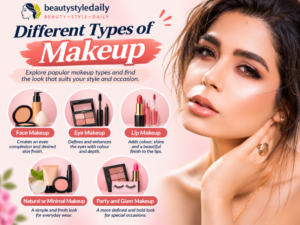
Face Makeup
Face makeup products are used to create the desired complexion and finish.
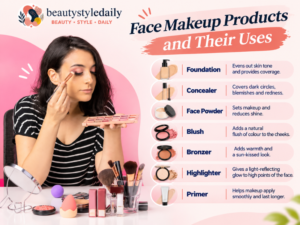
Common face makeup products include:
- Foundation: Helps even out the appearance of skin tone.
- Concealer: Provides targeted coverage for areas such as under the eyes or visible blemishes.
- Face powder: Helps reduce surface shine and can set certain makeup products.
- Blush: Adds colour to the cheeks.
- Bronzer: Adds warmth to the complexion.
- Highlighter: Creates a light-reflecting finish.
- Primer: May help makeup apply more evenly or last longer, depending on its formula.
You do not need all these products. Foundation or concealer with a little blush may be enough for a simple look.
Eye Makeup
Eye makeup focuses on the eyes and the surrounding area.
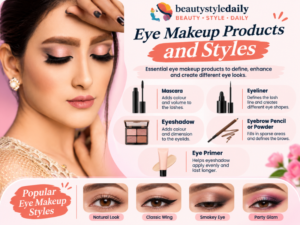
Popular products include:
- Mascara: Adds colour and definition to the eyelashes.
- Eyeliner: Defines the lash line and can create different eye shapes visually.
- Eyeshadow: Adds colour and dimension to the eyelids.
- Eyebrow pencil or powder: Helps fill in sparse-looking areas and define the brows.
- Eye primer: May help eyeshadow adhere more evenly and improve its wear.
For beginners, mascara and a neutral eyeshadow can be a practical starting point.
Lip Makeup
Lip makeup products add colour, shine or a particular finish to the lips.
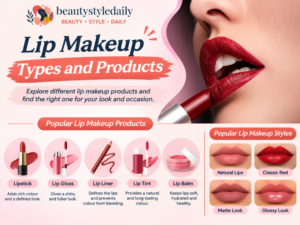
Common options include lipstick, lip gloss, lip liner, lip tint and tinted lip balm.
A lip liner can help define the lip outline, while lipstick provides more noticeable colour. Gloss adds shine, and tinted balm offers a lighter colour effect.
Choose a formula that feels comfortable and suits your everyday needs.
Natural or Minimal Makeup
Natural makeup focuses on a light, understated appearance. It may involve a small amount of concealer, a lightweight base product, subtle blush, mascara and a natural lip colour.
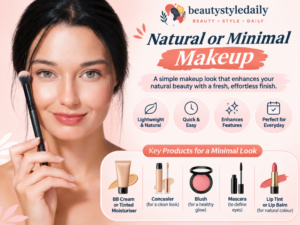
The objective is not necessarily to use fewer colours but to create a finish that looks soft and suits your preferences.
This style can work for everyday activities, office wear or casual outings.
Party and Glam Makeup
Party makeup often uses more noticeable colours, stronger eye definition, fuller coverage or a more pronounced lip colour.
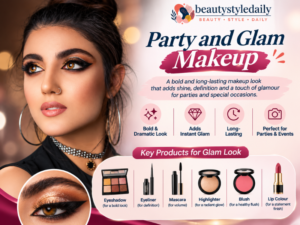
Depending on the occasion, it may include eyeshadow, eyeliner, highlighter and setting products. The exact combination depends on the desired style.
Bridal Makeup
Bridal makeup is generally planned around the wedding outfit, lighting, photography, ceremony and personal preferences.
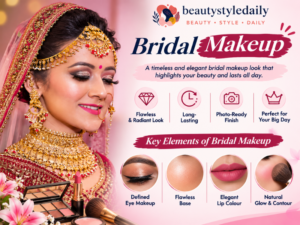
Some people prefer a traditional look with defined eyes and bold lips, while others choose a softer appearance. Product selection and application techniques vary according to the individual and the occasion.
What Is the Difference Between Makeup and Foundation?
Makeup is the general term for cosmetic products used to change or enhance appearance. Foundation is one specific type of makeup product.
Foundation is usually applied to the face to create a more even-looking base. Other makeup products, such as mascara, lipstick, blush and eyeliner, serve different purposes.
For example, someone can wear lipstick and mascara without using foundation. Similarly, a person may use foundation and concealer but skip eye makeup.
Foundation is therefore optional rather than a requirement for every makeup routine.
What Is the Difference Between Foundation and Concealer?
Foundation and concealer are both complexion products, but they are commonly used in different ways.
- Foundation is generally applied across the face to create a consistent-looking base. It comes in different coverage levels and finishes.
- Concealer is often used on selected areas that need additional coverage, such as under the eyes or around visible blemishes.
Some people use both products, while others prefer only one. If you want a lightweight routine, you can start with concealer on specific areas instead of applying foundation to the entire face.
The right choice depends on your desired coverage, skin type and personal preference.
What Are the Benefits of Makeup?
Makeup can offer several practical and creative benefits when used in a way that suits your needs.

Enhances Personal Appearance
Some makeup products can help create a more even-looking complexion, add colour and define facial features.
Offers Creative Freedom
Different shades, textures and techniques allow people to experiment with their appearance and develop their own style.
Supports Different Occasions
Everyday makeup, festive makeup, professional looks and bridal styles may require different products and levels of detail.
Provides Flexible Coverage
Products are available in sheer, medium and full coverage options. This allows users to select a finish that suits their preferences.
Can Be Part of a Personal Routine
For some people, applying makeup is a relaxing or enjoyable part of getting ready. Others prefer to wear it only occasionally or not at all.
Important: Makeup is primarily intended to enhance appearance. It does not replace skincare, treat underlying skin conditions or provide the same protection as products specifically formulated for sun protection.
How to Apply Makeup Step by Step
If you are new to makeup, start with a few products and learn how each one works. You can add more steps as you become comfortable.
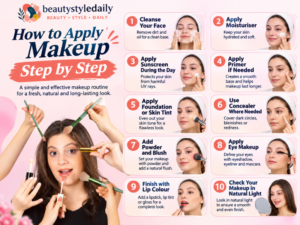
Step 1: Cleanse Your Face
Begin with a gentle cleanser that suits your skin. This helps remove surface dirt, oil and other residue.
Avoid harsh cleansing methods that leave your skin feeling tight or irritated.
Step 2: Apply Moisturiser
Use a moisturiser suitable for your skin type. Allow it to settle before applying makeup.
Even oily skin can benefit from an appropriate moisturiser. Choose a formula based on your skin’s needs rather than assuming that all oily skin requires drying products.
Step 3: Apply Sunscreen During the Day
For daytime routines, apply a broad-spectrum sunscreen according to its product instructions. Allow it to settle before applying makeup.
Foundation with SPF should not automatically be treated as a complete replacement for your regular sunscreen. The protection you receive depends on the product and the amount applied.
Step 4: Apply Primer if Needed
Primer is optional. Depending on the formula, it may help smooth the appearance of the skin or improve how makeup wears.
Choose a primer that works well with your other products. You can skip this step if your moisturiser and base makeup already give you the finish you want.
Step 5: Apply Foundation or Skin Tint
Choose a shade that blends naturally with your skin. Test the shade in natural light when possible.
Apply a small amount and blend it evenly using clean fingers, a makeup sponge or a suitable brush. Add more product only where necessary.
Step 6: Use Concealer Where Needed
Apply a small amount of concealer to areas that need extra coverage. Blend the edges gently so the product looks natural against the rest of your base.
Avoid applying more product than you need, particularly around areas where makeup tends to settle into fine lines.
Step 7: Add Powder and Blush
If you want to reduce shine or help your base makeup stay in place, apply a small amount of face powder where needed.
Add blush to the cheeks and blend it gradually. Start with a light application because it is easier to build colour than to remove excess product.
Step 8: Apply Eye Makeup
Use eyeshadow, eyeliner and mascara according to the look you want.
If you are a beginner, start with neutral eyeshadow and mascara. Make sure products are suitable for the eye area and follow their instructions.
Step 9: Finish with Lip Colour
Choose lipstick, lip tint, gloss or tinted balm. You can coordinate the lip colour with your outfit or keep it close to your natural lip tone.
Step 10: Check Your Makeup in Natural Light
Look at your makeup in natural light if possible. Check whether the foundation is blended, the concealer edges are soft and the colours look balanced.
There is no need to add every product. A simple, comfortable finish is often enough.
How to Choose Makeup for Your Skin Type
Your skin type can influence how makeup feels and looks throughout the day. However, individual products vary, so check their ingredients and instructions rather than relying on labels alone.
Makeup for Dry Skin
If your skin feels dry or tight, consider a comfortable moisturising routine and base products that do not emphasise dry patches.
A hydrating foundation or skin tint may be worth trying. Apply moisturiser first and avoid using excessive powder if it makes your skin look or feel drier.
Makeup for Oily Skin
If your skin becomes shiny during the day, you may prefer lightweight base products or formulas designed to control shine.
Apply powder selectively to areas that tend to become oily. Using too many drying products can make your routine uncomfortable, so choose products that suit your skin.
Makeup for Combination Skin
Combination skin may feel oily in some areas and dry in others. You can apply different products where needed rather than using the same amount everywhere.
For example, use a small amount of powder on the T-zone while keeping other areas less powdered.
Makeup for Sensitive Skin
If your skin is sensitive, look for products that suit your known sensitivities. Fragrance-free options may be helpful for some people, but no product is guaranteed to suit everyone.
Introduce new products gradually and consider testing them on a small area of skin according to the product instructions. Stop using a product if it causes irritation.
If you have persistent skin irritation or a diagnosed skin condition, consult a qualified healthcare professional for individual advice.
Common Makeup Mistakes Beginners Should Avoid
Learning makeup takes practice. A few simple adjustments can make the process easier.
- Choosing the wrong foundation shade: Test shades carefully and check them in natural light.
- Applying too much product: Start with a small amount and build coverage gradually.
- Skipping moisturiser: Use a suitable moisturiser if your skin needs it before applying makeup.
- Using dirty brushes and sponges: Clean makeup tools regularly according to their material and product instructions.
- Sharing eye and lip products: Avoid sharing products that come into direct contact with the eyes or lips.
- Ignoring product expiry information: Follow the product’s period-after-opening symbol and discard products that change in smell, texture or appearance.
- Sleeping with makeup on: Remove makeup before bed using a suitable cleanser or makeup remover.
- Buying every trending product: Start with essentials and choose products based on your needs.
Is Makeup Necessary for Everyone?
No. Makeup is a personal choice, not a requirement.
Some people enjoy wearing makeup every day, while others use it only for special occasions. Many people prefer a skincare-only routine.
You can look after your skin and express your personal style with or without makeup. The best routine is one that fits your preferences, budget and daily life.
Frequently Asked Questions About Makeup
What is makeup in simple words?
Makeup is a group of cosmetic products used to add colour, define features or change the appearance of the face and other areas of the body.
What is makeup mainly used for?
Makeup is commonly used to even out the appearance of skin tone, add colour, define the eyes and lips, and create different looks for everyday activities or special occasions.
What are the basic makeup products for beginners?
Beginners can start with a few products, such as moisturiser, sunscreen for daytime use, foundation or concealer if desired, blush, mascara and lip colour. The exact products depend on personal preferences.
Is foundation the same as makeup?
No. Makeup is the broad category, while foundation is one specific makeup product used to create an even-looking base.
Can I wear makeup without foundation?
Yes. You can wear lipstick, mascara, eyeliner, blush or other products without using foundation. Foundation is optional.
What is the difference between foundation and concealer?
Foundation is generally applied across the face to create a consistent base, while concealer is commonly used on selected areas that need additional coverage.
Does makeup damage the skin?
Makeup does not automatically damage the skin. However, some products may cause irritation or breakouts in certain people. Choosing suitable products, removing makeup properly and cleaning tools can help support a sensible routine.
Should I apply moisturiser before makeup?
Applying a suitable moisturiser before makeup can help keep the skin comfortable and create a smoother starting surface. Let the moisturiser settle before applying your base products.
Can I use makeup every day?
Many people use makeup daily. Choose products that suit your skin, follow their instructions and remove makeup thoroughly at the end of the day.
How do I remove makeup properly?
Use a makeup remover or cleanser suitable for the products you have applied. Remove eye makeup gently and avoid rubbing the skin harshly. Follow with your regular cleansing routine if needed.
Final Thoughts
Makeup includes a wide range of cosmetic products, from foundation and concealer to mascara and lipstick. Each product serves a different purpose, and you do not need to use them all to create a look you enjoy.
If you are a beginner, start with a simple routine, learn how products work and choose formulas that suit your skin and preferences. With practice, you can decide which products are useful for your everyday routine and which ones you prefer for special occasions.
At Beauty Style Daily, our aim is to make beauty topics easier to understand so you can explore makeup, skincare and personal style with greater confidence.