Makeup is a personal choice for many people. Some wear it to express their style or enhance their appearance, while others prefer a natural look. However, for Christians, an important question sometimes arises: What does the Bible say about makeup? Is wearing makeup a sin, or is it a matter of personal choice?
The Bible does not provide a universal rule that prohibits all makeup. However, several passages discuss outward appearance, modesty, pride and inner character. Understanding these passages can help readers explore how different Christian traditions view makeup and personal appearance.
In this article, we will explore relevant Bible verses, explain their meanings and discuss what they teach about beauty, modesty and personal choices.
Does the Bible Forbid Wearing Makeup?
The Bible does not explicitly forbid all forms of makeup. Instead, some passages caution against placing too much importance on outward appearance, expensive adornments or the desire to attract attention.
For example, 1 Timothy 2:9-10 encourages women to dress modestly and appropriately, emphasizing good deeds rather than elaborate outward decoration. Similarly, 1 Peter 3:3-4 highlights inner character and a gentle spirit as qualities of lasting beauty.
These passages are often discussed in conversations about makeup, jewellery and clothing. Many Christians understand them as reminders that appearance should not become more important than character, faith or kindness.
However, Christian interpretations differ. Some communities encourage women to avoid makeup, while others consider it an acceptable form of personal grooming and self-expression.
The important distinction is that these passages focus on personal priorities and character rather than providing a universal list of permitted and forbidden cosmetics.
Bible Verses About Makeup and Beauty
Several Bible passages are relevant when considering makeup and outward appearance. Understanding their context is important because not every passage mentioning cosmetics or adornment is a command about whether Christians should wear makeup.
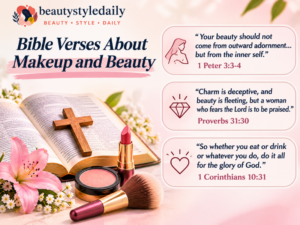
1. 1 Timothy 2:9-10: Modesty and Good Character
This passage encourages women to dress modestly and appropriately, with an emphasis on good deeds.
What it teaches: Many Christians interpret this passage as a reminder to avoid excessive concern with outward display. The emphasis is on modesty, conduct and the values a person demonstrates through their actions.
It does not specifically list modern makeup products or directly prohibit their use.
2. 1 Peter 3:3-4: Inner Beauty Matters
This passage contrasts outward adornment with the inner qualities of a person, including a gentle and peaceful spirit.

What it teaches: Physical appearance is not the only measure of beauty. Qualities such as patience, kindness, humility and integrity can be more meaningful than outward decoration.
For Christians who wear makeup, this passage can serve as a reminder to maintain a healthy perspective on appearance.
3. Proverbs 31:30: Beauty and Character
Proverbs 31:30 explains that charm can be deceptive and physical beauty is temporary, while a woman who fears the Lord is worthy of praise.
What it teaches: Physical attractiveness changes over time, but faith and character have lasting value. This verse encourages readers not to judge themselves or others solely by appearance.
Although it does not directly address makeup, it contributes to the Bible’s broader discussion of beauty and character.
4. 1 Samuel 16:7: Looking Beyond Appearance
In 1 Samuel 16:7, God reminds Samuel that people often look at outward appearance, while the Lord looks at the heart.
What it teaches: A person’s value cannot be determined by physical appearance alone. Makeup may change how someone looks, but it does not determine their honesty, kindness or spiritual character.
This principle encourages a balanced view of beauty without making assumptions about someone’s character based on whether they wear cosmetics.
5. 2 Kings 9:30: Jezebel and Eye Makeup
In 2 Kings 9:30, Jezebel is described as applying eye makeup before Jehu arrives.
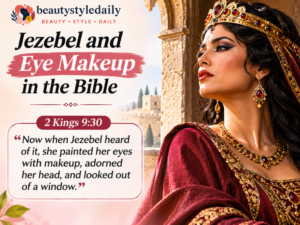
This verse is sometimes mentioned in discussions about whether makeup is sinful. However, the passage describes an event within a larger narrative about Jezebel and the political events surrounding her death.
What it teaches: A description of someone wearing makeup is not automatically a command against makeup. The passage should be understood in its historical and narrative context rather than treated as a universal prohibition on cosmetics.
What Does the Bible Say About Wearing Jewelry and Makeup?
The question of what the Bible says about wearing jewellery and makeup is closely related to its teachings on modesty, outward appearance and inner character.
In 1 Timothy 2:9-10, the emphasis is on modest dress and good deeds rather than elaborate adornment. Similarly, 1 Peter 3:3-4 focuses on inner character instead of making outward decoration the main source of beauty.
Some Christian traditions interpret these passages as a reason to limit or avoid makeup and jewellery. Others understand them as warnings against vanity, excessive luxury and seeking attention through appearance.
These interpretations reflect different approaches to applying biblical teachings in modern life.
The passages do not provide a detailed list of specific jewellery items or cosmetic products that every Christian must avoid. Readers should consider the context and broader message of these passages when forming their understanding.
Is Wearing Makeup a Sin According to the Bible?
The Bible does not explicitly state that wearing makeup is always a sin. Therefore, whether makeup is appropriate is understood differently across Christian communities.
Some believers choose not to wear makeup because of their religious convictions or interpretation of modesty. Others use cosmetics without believing that doing so conflicts with their faith.
When considering this question, Christians may reflect on several points:
- Personal motivation: Am I using makeup because I enjoy it, or do I feel that my worth depends on looking a certain way?
- Modesty: Does my appearance reflect the standards of modesty I seek to follow?
- Self-worth: Do I recognise that my value is not determined by my physical appearance?
- Personal convictions: Am I making a thoughtful decision based on my understanding of Scripture?
- Respect for others: Can I respect people whose religious convictions about makeup differ from mine?
These questions encourage personal reflection without assuming that everyone must reach the same conclusion.
For specific guidance within a particular church or denomination, readers may also wish to speak with a trusted religious leader.
What Is the Difference Between Makeup and Vanity?
Makeup and vanity are not necessarily the same thing.
Makeup is a cosmetic product used to change, enhance or highlight aspects of physical appearance. Vanity generally refers to excessive pride in one’s appearance, achievements or qualities.
A person might wear makeup as part of a daily routine, for a special occasion or simply because they enjoy experimenting with different looks. Another person may prefer not to use cosmetics at all.
The use of makeup alone does not establish someone’s motives or character.
The Bible’s broader teachings about humility and inner character encourage people to examine their priorities. A balanced approach recognises that caring about appearance does not have to mean neglecting spiritual values or treating physical beauty as the measure of personal worth.
Can Christian Women Wear Makeup?
Christian women approach makeup in different ways, depending on their beliefs, church traditions and personal convictions.
Some prefer a natural appearance and avoid cosmetics. Others wear foundation, lipstick, mascara or other products as part of their everyday routine. Some use makeup only for special occasions.
The Bible does not provide a single detailed cosmetic routine for Christian women. Instead, relevant passages emphasise principles such as modesty, humility and the importance of inner character.
A Christian considering makeup may wish to reflect on the purpose of wearing it and how that choice fits with her understanding of Scripture.
It is also important to avoid judging another person’s faith or character solely by their appearance. Personal choices about cosmetics do not tell the whole story of someone’s beliefs or values.
How Can You Maintain a Balanced Approach to Beauty?
For readers who want to combine personal grooming with their religious values, a balanced approach can begin with a few simple principles.
Focus on Inner Qualities
Kindness, honesty, patience and compassion contribute to a person’s character. These qualities deserve attention regardless of whether someone wears makeup.
Make Personal Choices Thoughtfully
Choose a beauty routine that aligns with your comfort level, values and personal convictions. Avoid feeling pressured to wear makeup or avoid it simply because of social expectations.
Avoid Comparing Your Appearance With Others
Beauty standards can create pressure to look a particular way. Remember that people have different preferences, features and approaches to personal care.
Keep Appearance in Perspective
Makeup can be an enjoyable part of grooming, but it does not determine a person’s worth. A healthy perspective allows people to care for their appearance without making it the centre of their identity.
Respect Different Religious Interpretations
Christian communities do not all interpret passages about adornment in the same way. Respectful discussions can help people understand these differences without unnecessary judgement.
Frequently Asked Questions
What does the Bible say about makeup?
The Bible does not explicitly prohibit all makeup. Passages such as 1 Timothy 2:9-10 and 1 Peter 3:3-4 emphasize modesty and inner character. Christians interpret their application to makeup in different ways.
Is wearing makeup a sin for Christians?
The Bible does not directly state that wearing makeup is always sinful. Some Christian traditions discourage cosmetics, while others consider them acceptable when used in a way that aligns with personal beliefs and religious values.
Which Bible verse talks about makeup?
2 Kings 9:30 mentions Jezebel applying eye makeup. Other passages commonly discussed in relation to appearance and adornment include 1 Timothy 2:9-10 and 1 Peter 3:3-4. These passages should be understood in their respective contexts.
What does the Bible say about wearing jewelry and makeup?
First Timothy 2:9-10 and 1 Peter 3:3-4 discuss outward adornment and emphasize modesty and inner character. Christian traditions differ in how they apply these teachings to modern jewelry and cosmetics.
Does the Bible say natural beauty is better than makeup?
The Bible emphasizes inner character and spiritual values over outward appearance. However, it does not establish a universal rule that natural beauty is always preferable to wearing makeup.
Did Jezebel wear makeup in the Bible?
Yes. Second Kings 9:30 describes Jezebel applying eye makeup. The verse appears within a historical narrative and should not automatically be interpreted as a command prohibiting all cosmetics.
Can I wear makeup and still follow Christian values?
Many Christians believe they can wear makeup while following their religious values. Others choose to avoid it. Personal convictions, modesty and the interpretation of relevant biblical passages influence these decisions.
Final Thoughts
So, what does the Bible say about makeup? It does not explicitly forbid every use of cosmetics. Instead, relevant passages encourage readers to consider modesty, humility, inner character and the temporary nature of physical beauty.
Christians interpret these teachings differently. Some avoid makeup because of their religious convictions, while others consider it an acceptable personal choice.
Ultimately, makeup is only one aspect of personal appearance. A thoughtful approach to beauty considers not just how someone looks, but also their values, intentions and treatment of others.
At Beauty Style Daily, we believe beauty is also about confidence, self-expression and making choices that feel right for you. Whether you prefer a natural look or enjoy wearing makeup, understanding different perspectives can help you make informed and thoughtful personal choices.